On 29 May 2026, the Time Machine Organisation community came together online for the TMO Community Showcase: 3D Acquisition, Reconstruction and Applications — a day dedicated to exploring how 3D technologies are transforming the way we document, preserve, and experience cultural heritage.
What made the event particularly special was not only the impressive variety of approaches presented, but also the openness with which speakers shared their experiences, challenges, lessons learned, and ideas for future collaboration. From citizen science and XR storytelling to AI reconstruction, heritage scanning, and new approaches for managing 3D data, the showcase demonstrated that innovation in digital heritage is ultimately driven by communities working together.
If you missed the showcase, you can watch the full event recording here:
Bringing Invisible History back to life
One of the presentations that generated a lot of enthusiasm came from Ilias Halbgewachs of TimeLens, who addressed a challenge many heritage organisations face: creating high-quality 3D reconstructions is only one part of the journey — making them accessible and engaging for wider audiences is often the bigger challenge.
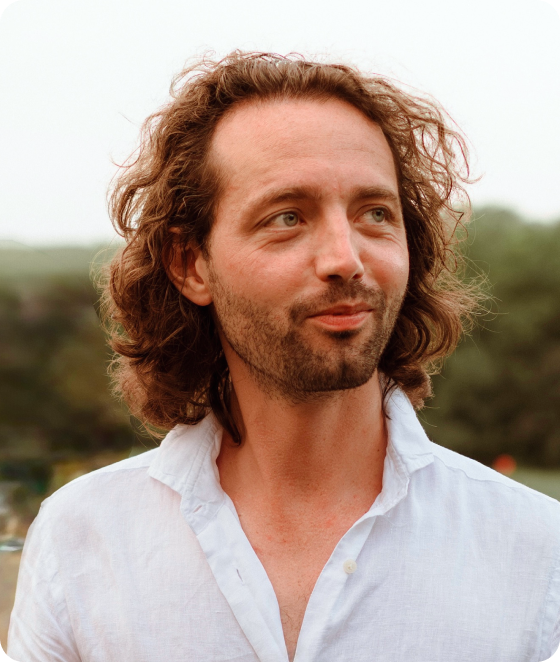
“Distribution is the missing link,” Ilias explained. “Many heritage organisations excel at creating detailed reconstructions but struggle to connect them with general audiences.”
TimeLens tackles this challenge by linking digital reconstructions directly to real-world locations, allowing visitors to explore historical environments through an intuitive mobile experience. The platform is already live and ready to host additional locations, with opportunities for heritage organisations to collaborate and bring their 3D content to wider audiences.
Read the full interview here.
Designing XR Experiences That Last Beyond the Project
Cordula Hansen shared valuable insights from the VAARHeT project and its continuation, Araisi VR, exploring how smaller museums can successfully adopt XR technologies.
A key strength of the project was its user-centred design methodology, which connected visitor needs, museum realities, research objectives, and technical possibilities. The result was not only a successful project outcome, but a visitor-facing VR experience that has since been installed onsite and is available to everyday museum visitors.
Cordula highlighted how the design approach created value beyond the original project:
“The value of the design approach resonated well beyond the project duration and opened additional ideas for collaboration and business potential for all participants.”
Her presentation offered valuable lessons for cultural heritage organisations looking to introduce immersive storytelling while balancing authenticity, usability, and long-term sustainability.
Frugal Innovation for Global Heritage Documentation
Santiago Alejandro Oritz Hernández shared an inspiring example of how high-quality heritage digitisation can be achieved with low-cost hardware and open-source tools.
His research focused on developing a complete photogrammetric workflow for the Capilla de Siecha, using open-source solutions including AliceVision Meshroom, custom Python plugins, and a structured data management approach. The result was a photorealistic and geometrically complete 3D model of the chapel, covering both interior and exterior spaces.
“Frugal methodologies are highly effective and can produce exceptional quality when complexity, interoperability, and scientific transparency are carefully managed,” Santiago noted.
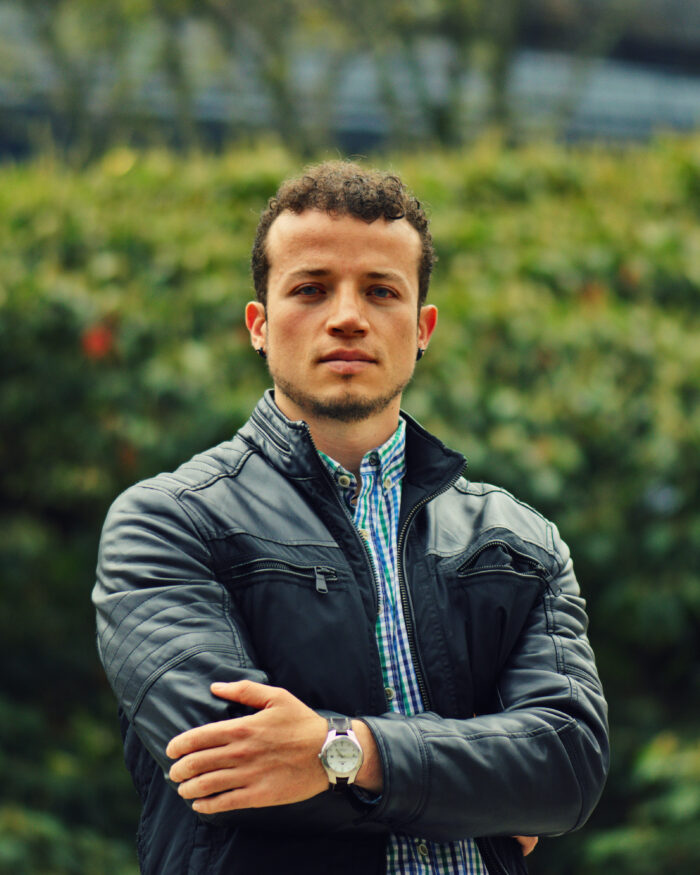
His approach provides valuable tools and methodologies for institutions that face technical or financial constraints while seeking to create reliable and reusable digital heritage assets.
Read the full interview here.
Scanning Armenia’s Architectural Heritage
Manik Tadevosian presented the Armenian Heritage Scanning Project, a remarkable multi-year initiative that has documented more than 285 monuments across Armenia and Artsakh using laser scanning and photogrammetry.
What stood out was the project’s commitment to open access: the growing archive of 3D models is designed not only for preservation, but also for research, education, conservation, and creative reuse. The team demonstrated how these datasets can support new forms of cultural engagement, including their use in the Armenian Pavilion at the 2025 Venice Architecture Biennale.
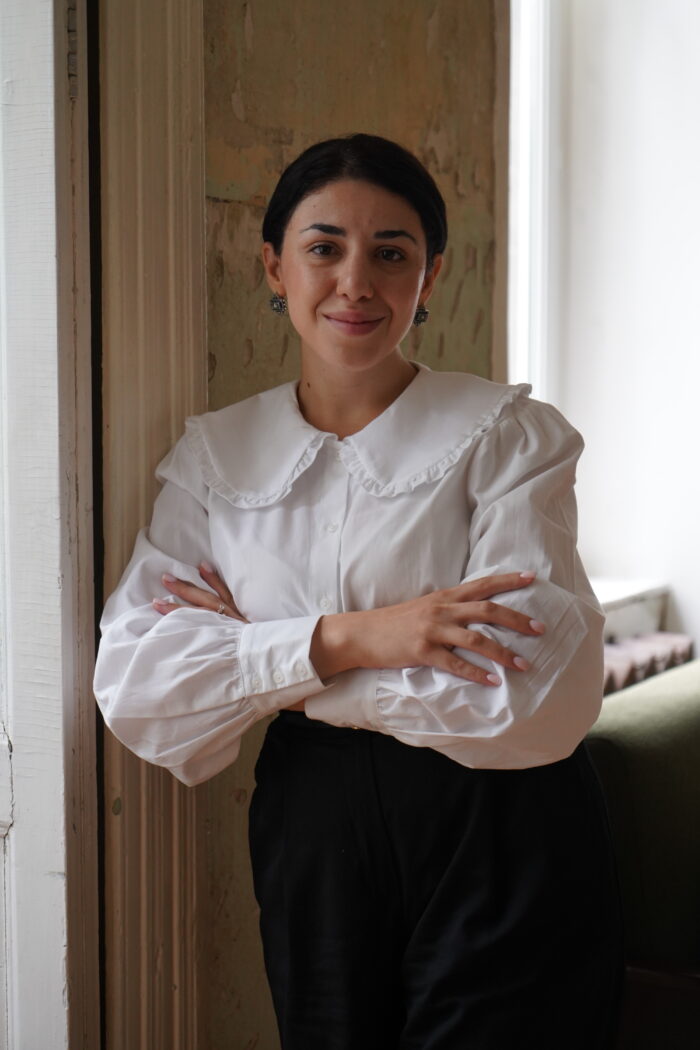
“The documentation effort extends beyond preservation to cultural activation, transforming tangible heritage into accessible resources for research, conservation, education, and creative practice,” Manik explained.
Her presentation highlighted how a well-structured digital archive can become a foundation for collaboration, knowledge exchange, and future cultural initiatives across Europe and beyond.
Read the full interview here.
Reconstructing Heritage from a Single Image
Francesca Condorelli addressed one of the most challenging questions in digital heritage: how can we reconstruct objects and sites when only limited visual evidence remains?
Her research explores an AI-based workflow for 3D reconstruction from a single image, combining open-source deep learning models with expert validation. This approach is particularly valuable for lost, inaccessible, or endangered heritage where traditional digitisation methods are not possible.
“AI should complement domain expertise,” she emphasised, “providing a practical framework that balances automation with scientific rigor.”
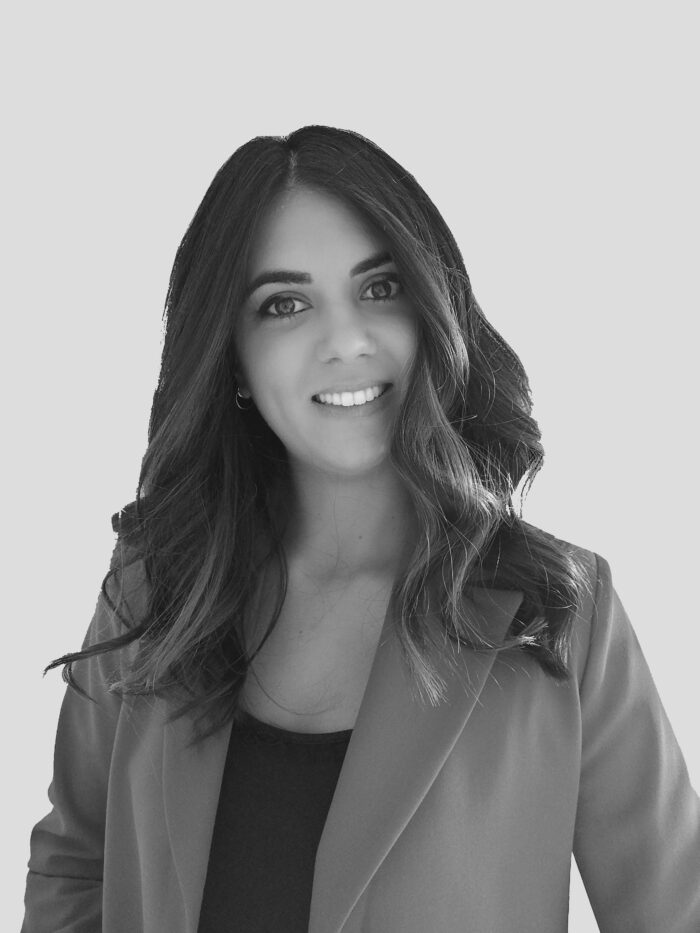
Her work demonstrates the potential of AI to expand the possibilities of heritage documentation and create new digital resources from historical photographs and archival material.
Read the full interview here.
Citizen Science Meets Computer Vision
Fernando Vilariño from the Computer Vision Center (CVC) and the Universitat Autònoma de Barcelona (UAB) shared the inspiring example of the “3D Capitals: Citizens Co-Creating the City’s Digital Cultural Heritage” project.
The project explored how citizens can actively contribute to heritage digitisation by capturing images for the 3D reconstruction of the Romanesque capitals of the Cloister of the Monastery of Sant Cugat del Vallès.
Combining citizen science, Living Lab approaches, and computer vision, the initiative demonstrated how communities can become active partners in documenting cultural heritage.
One of the key lessons was that, with appropriate guidance and support, citizen-generated data can contribute to high-quality 3D models while strengthening connections between researchers, heritage professionals, and local communities.
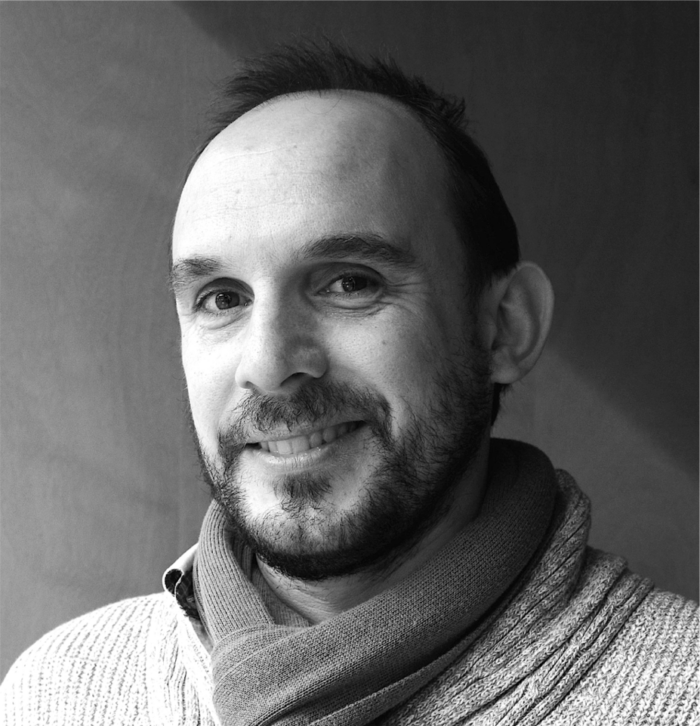
“With the right ambition, TMO can become a relevant actor to boost citizen-centric approaches in the context of digital cultural heritage.”
The project provides an inspiring example of how participation and technology can work together to create more open, collaborative, and accessible digital heritage.
Read the full interview here.
The Time Atlas: A New Space for 3D Data
During the Academy we also introduced the Time Atlas, an infrastructure for collecting, organising, and accessing diverse cultural heritage data within a spatial and temporal framework. The Atlas supports a range of data types, including 3D content, with particular attention to provenance and citation.
The session provided a general overview of the platform, with a dedicated segment addressing the role of 3D data within the Time Atlas. On this occasion, participants had the chance to test a new tool under development for the ingestion of 3D data into the Atlas. This was the first opportunity to gather feedback from interested members and the wider Local Time Machine (LTM) projects community.
More Than a Webinar
What stood out throughout the day was the atmosphere of openness, curiosity, and collaboration. Speakers were not simply presenting finished projects, they were sharing methodologies, lessons learned, tools, and opportunities for future cooperation.
Several presenters encouraged the TMO community to reuse workflows, explore partnerships, share knowledge, and build on each other’s work. This spirit of collaboration is exactly what makes the Time Machine Organisation community so valuable.
A Showcase Full of Inspiring Contributions
The presentations highlighted in this recap represent only a selection of the many inspiring contributions shared during the TMO Community Showcase. We would like to thank all speakers and presenters who brought their expertise, projects, and experiences to the community and helped create such an engaging exchange of ideas.
To discover all presentations, explore the full range of projects, and hear directly from all contributors, we invite you to watch the full event recording.
A heartfelt thank you to all speakers, moderators, and participants who contributed to such an inspiring showcase.
The event demonstrated that the future of digital cultural heritage will be shaped not only by advanced technologies, but also by collaboration, openness, and a shared commitment to making heritage accessible for everyone.
We look forward to continuing these conversations and seeing how the ideas shared during the showcase evolve into new collaborations across the Time Machine Organisation network.