The digital transformation of cultural heritage is accelerating and collaboration across European initiatives is key to unlocking the full potential of 3D technologies.
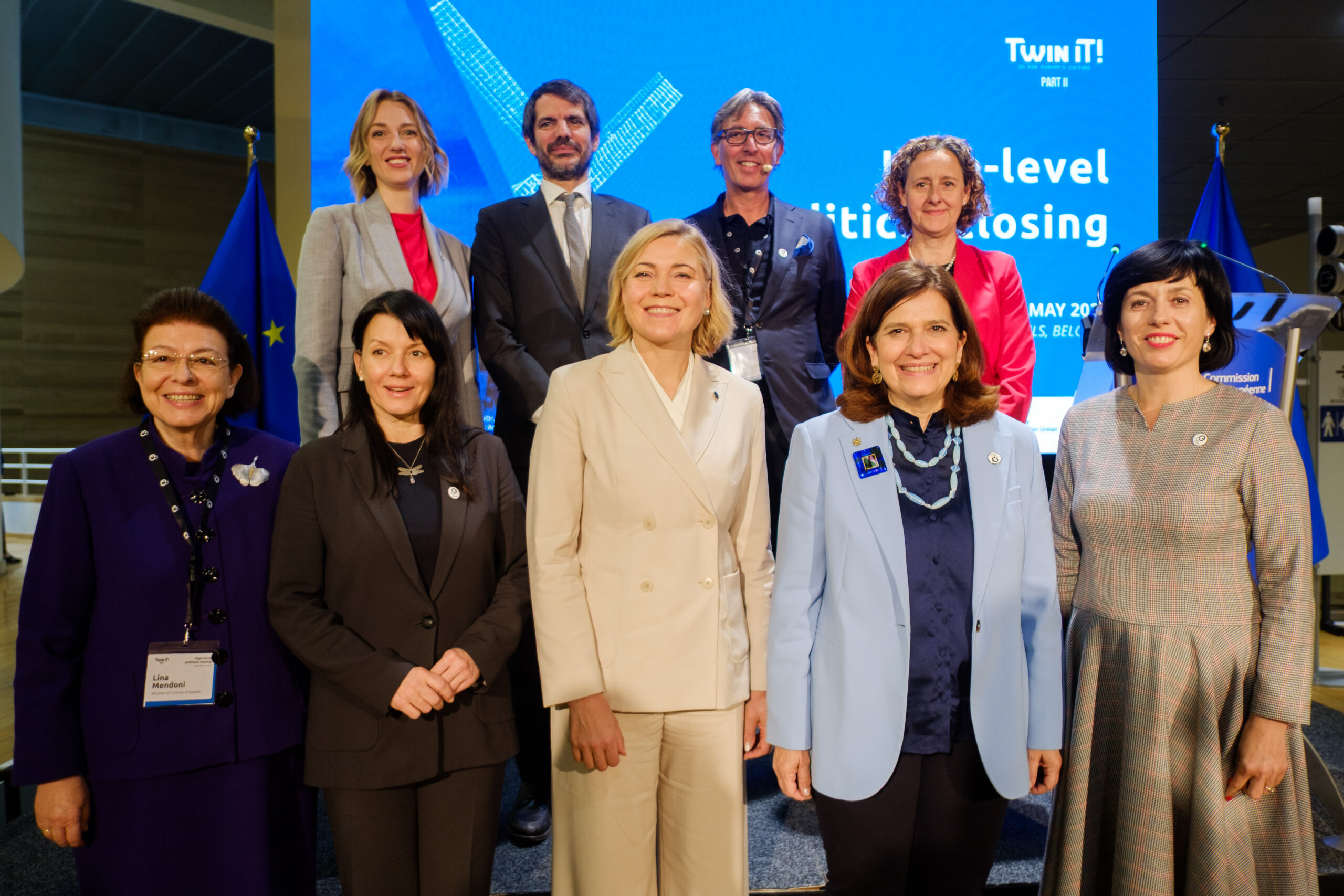
As part of the Twin it! Part II – 3D for Europe’s Culture campaign, partners and experts from across Europe came together to discuss how high-quality 3D cultural heritage data can support preservation, research, innovation, and new forms of public engagement. The campaign, launched by the European Commission and the Europeana Initiative, focuses on strengthening the role of 3D digitisation within the Common European Data Space for Cultural Heritage.
Two initiatives closely connected to the Time Machine Organisation community — 3D-4CH – Online Competence Centre in 3D for Cultural Heritage and 3DBigDataSpace — contributed to these important discussions.
Building Skills and Capacity for 3D Cultural Heritage
The 3D-4CH project supported the Twin it! Part II campaign by contributing expertise on 3D digitisation, skills development, and knowledge exchange. Through its work as a European competence centre, 3D-4CH aims to support cultural heritage professionals with training, tools, and best practices for creating and reusing high-quality 3D content.
Read more about 3D-4CH’s contribution to the Twin it! Part II campaign here.
Connecting 3D Data, AI, and Future Applications
The 3DBigDataSpace project also contributed to the European conversation, highlighting the importance of making 3D cultural heritage data more accessible, interoperable, and reusable. Through AI-supported enrichment, improved discoverability, and long-term storage solutions, 3DBigDataSpace is helping strengthen the foundations for future applications in research, education, tourism, and immersive experiences.
Discover the 3DBigDataSpace reflections from Brussels and Limassol here.
A Shared European Vision
For Time Machine Organisation, these activities demonstrate the importance of connecting technology, heritage expertise, and European communities. By working together, initiatives such as 3D-4CH and 3DBigDataSpace are helping create the foundations for a future where digital heritage is not only preserved, but actively reused, explored, and experienced.
Together, we are moving towards a more connected, accessible, and sustainable European digital cultural heritage ecosystem.
image credits: Europeana Foundation