How can artificial intelligence support cultural heritage while respecting authenticity, ethics, and public trust?
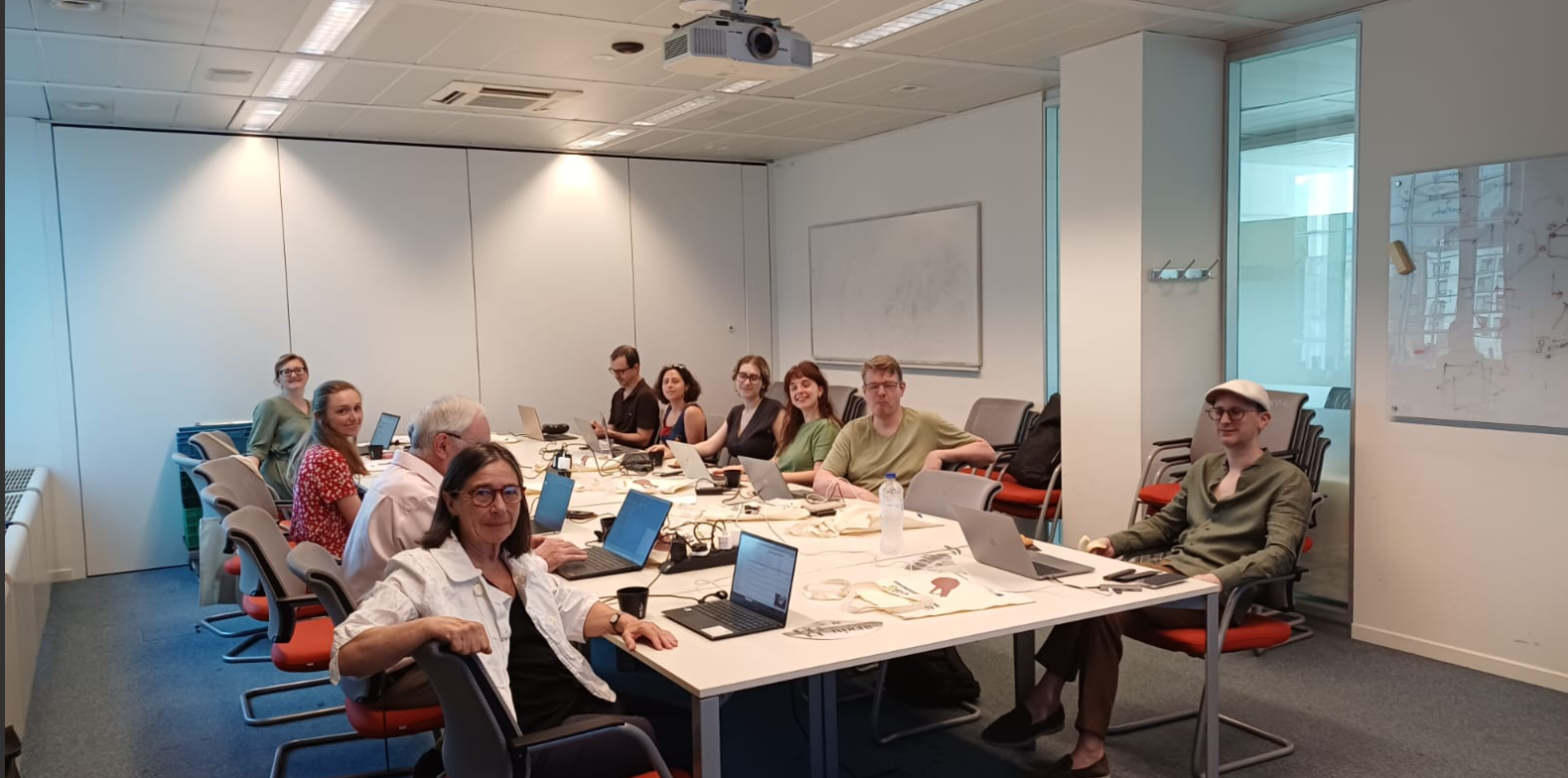
These questions were at the heart of “Navigating AI, Authenticity and Ethical Challenges in Heritage Collections”, an interdisciplinary conference held in Brussels in June 2026 as part of the EUreka3D-XR project.
Bringing together experts from museums, academia, the technology sector, and cultural heritage organisations, the event explored the opportunities and challenges of applying advanced digital technologies to heritage collections. Through keynote presentations, panel discussions, and case studies, participants examined how AI and extended reality (XR) can be deployed responsibly to enhance documentation, interpretation, accessibility, and public engagement while addressing ethical considerations and preserving the authenticity of cultural heritage.
To capture the key discussions and outcomes, the EUreka3D-XR consortium has now published the conference Impact Report, offering an overview of the event’s main themes, insights, and recommendations.
The report provides valuable perspectives for researchers, heritage professionals, policymakers, and technology developers working at the intersection of digital innovation and cultural heritage. It highlights the importance of interdisciplinary collaboration and responsible innovation as AI continues to transform the heritage sector.
At the Time Machine Organisation, we are pleased to share resources that contribute to the ongoing dialogue on the future of digital cultural heritage and encourage our community to explore the report.
Read more about the conference:
Access the Impact Report here.